Heart-Healthy Foods That Boost Athletic Performance and Longevity

Most athletes I work with are concerned about their performance today, but less are focused on how their training and nutrition will affect them decades down the road. Heart health plays an important role in athletic performance and is also a major factor in how strong, energetic, and resilient we are well into our 60s, 70s, and beyond!
Heart disease is the number one cause of death in American adults, yet it is often very preventable!
With February being American Heart Month, there’s no better time to highlight the key heart-healthy nutrients that support peak performance now while protecting overall health and longevity for the future.
Magnesium
Magnesium is an essential mineral that our bodies use for energy production, blood pressure regulation, nervous system function, and blood sugar control. Low magnesium levels are associated with increased risk of developing cardiovascular disease.
In sport, magnesium is mostly thought of as a recovery tool due to its anti-inflammatory effects and ability to help improve sleep quality. Magnesium also helps muscles relax, preventing cramps and muscle spasms, and is used in energy production to give your body the fuel it needs to perform.
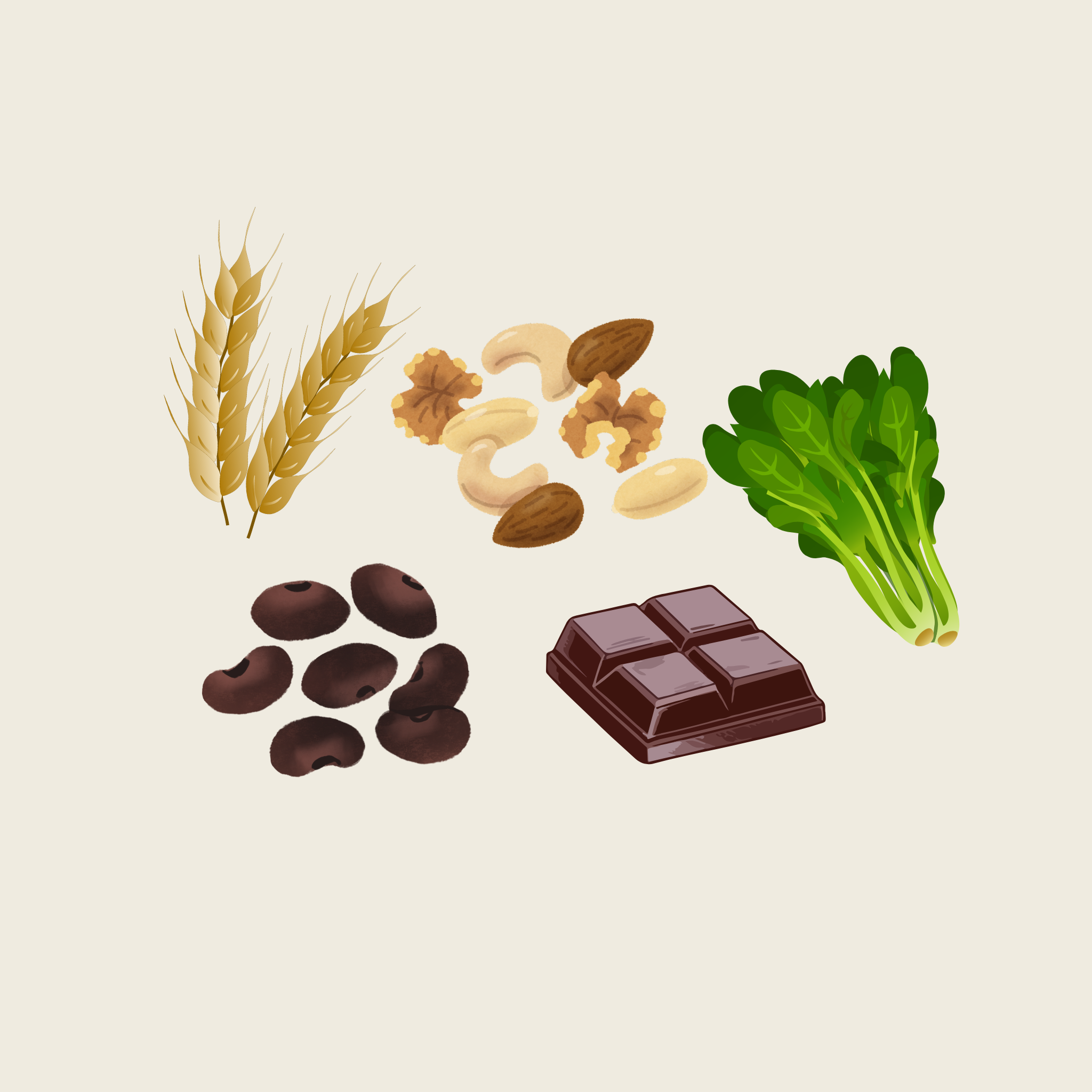
Foods rich in magnesium include:
Dark leafy greens, nuts and seeds, beans (especially black beans and edamame), whole grains, and dark chocolate
High Fiber Foods
A diet rich in fiber helps reduce inflammation, lower and maintain healthy cholesterol levels, support blood sugar regulation, and improve gut health.
For athletes, fiber intake should be timed strategically. Lower-fiber carbohydrate sources are best consumed immediately before training or competition, while higher-fiber foods should be emphasized after training, after competition, and throughout the rest of the day.
General daily fiber recommendations from food are approximately 25 grams for women and 38 grams for men, though higher intakes may offer additional health benefits! When increasing fiber intake, be sure to drink plenty of fluids to support digestion and prevent discomfort!
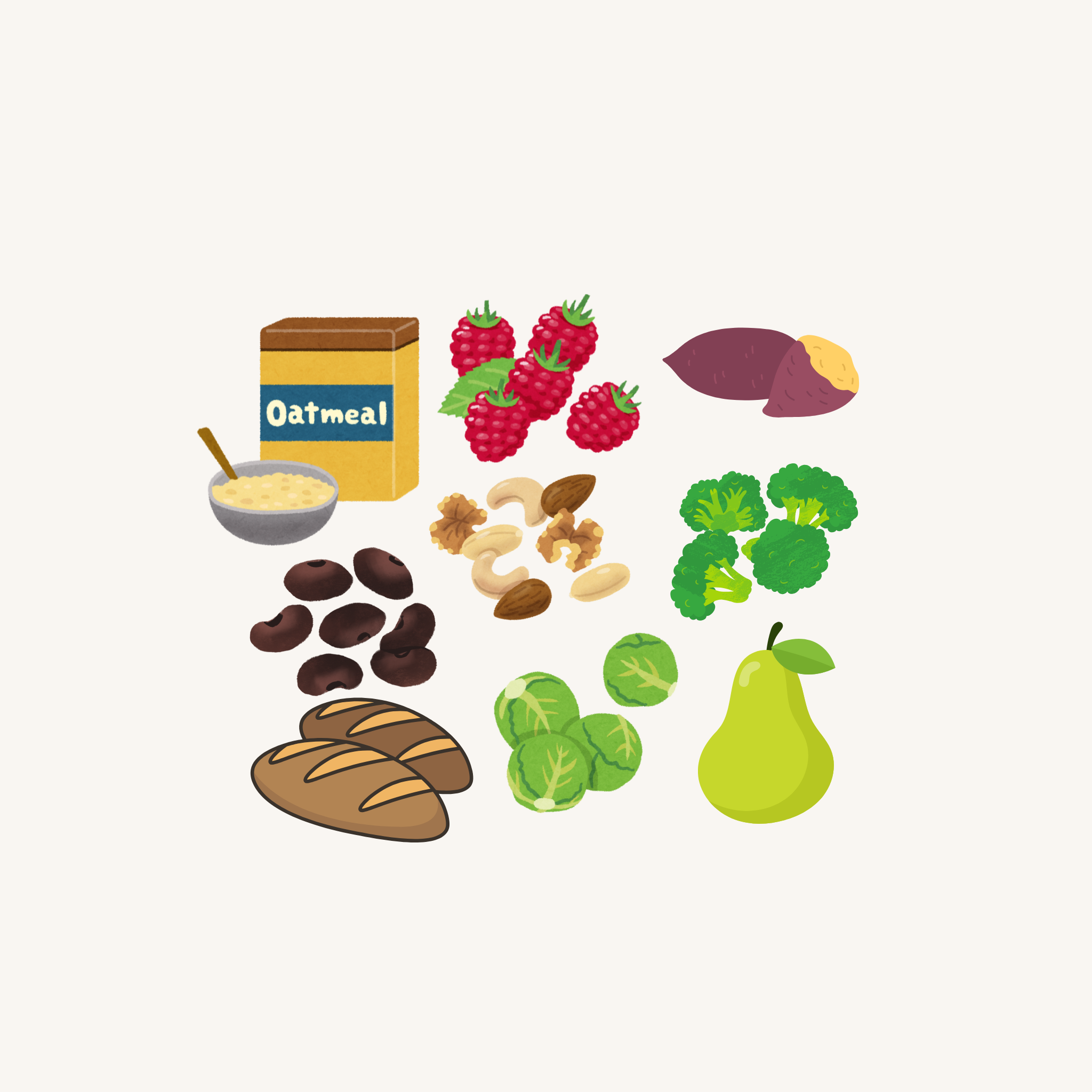
Fiber rich foods to add to your meals include:
Whole grains, beans and certain fruits and vegetables
Omega-3 Fatty Acids
Omega-3 fatty acids protect our heart health by lowering “bad” cholesterol and raising “good” cholesterol, they reduce inflammation, and help prevent atherosclerosis (stiff arteries), keeping our blood pumping smoothly!
Omega-3s also improve athletic performance by helping to manage inflammation, enhance muscle recovery and promote brain health and function.
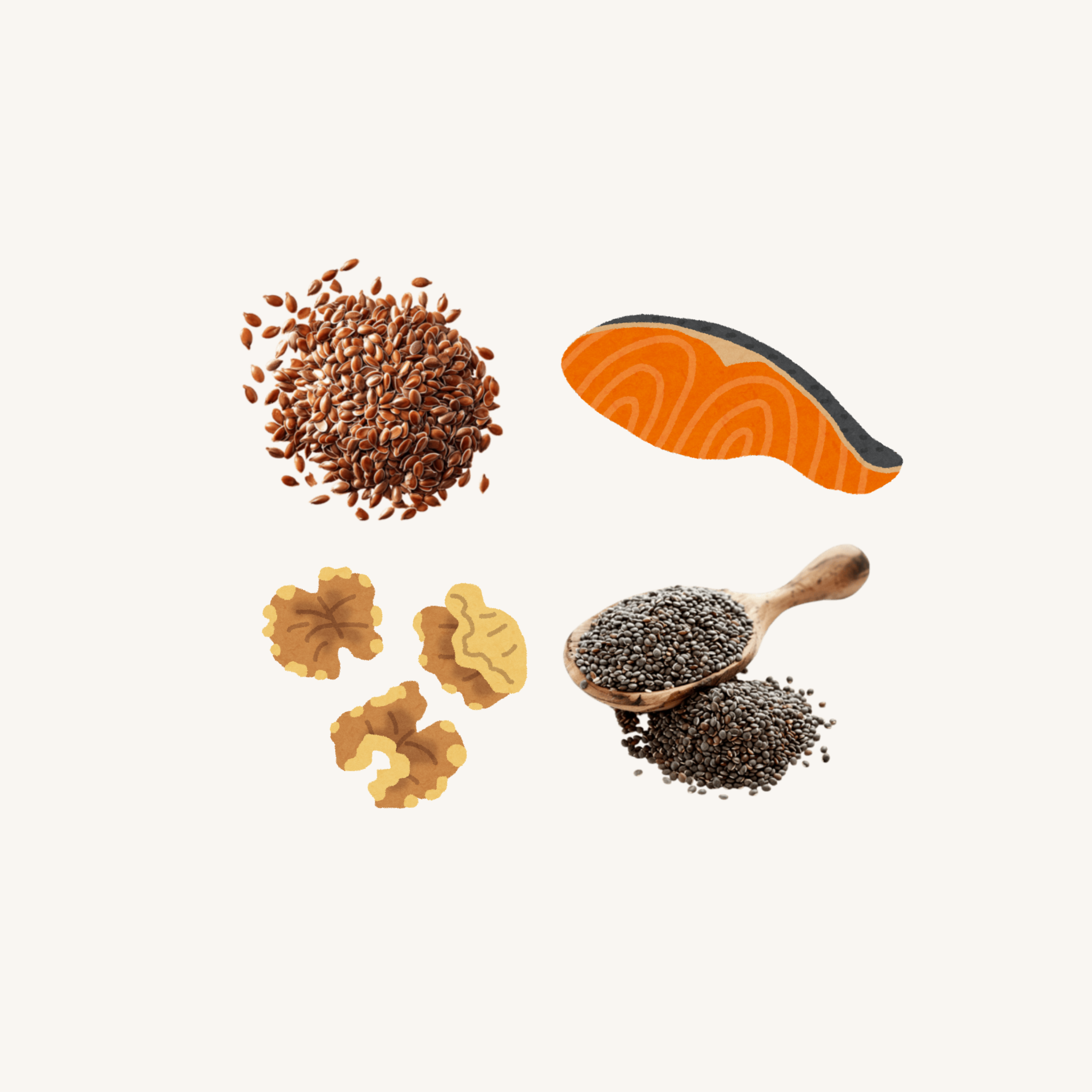
Foods high in Omega-3s include:
Fatty fish (salmon, mackerel, and sardines), flax seeds, chia seeds, and walnuts
Antioxidants
An “antioxidant” is a general term used to describe certain vitamins (C, E, and A) and minerals (copper, zinc, and selenium) that help neutralize free radicals and reduce oxidative stress. Preventing oxidative stress is important because, when left unchecked, it can lead to tissue damage, increased inflammation, and a higher risk of cardiovascular disease, cognitive decline, and certain cancers.
For athletes, regularly including antioxidant-rich foods may support faster muscle recovery and reduce soreness. High-dose antioxidant supplements are not necessary and may actually interfere with training adaptations and exercise performance.

Foods rich in antioxidants include:
Fruits and veggies (especially berries, dark leafy greens), sweet potatoes, dark chocolate, coffee and green tea, and certain spices (cinnamon, cloves, and oregano)
If you are looking for some heart-healthy recipes, check out this post!
Heart-Healthy Meal Prep: 3 Easy Recipes to Fuel Performance