3 Pre-Workout Fueling Mistakes Athletes Should Avoid
Pre-workout nutrition can make or break your training session. Athletes lead busy lives, constantly juggling responsibilities from work and school to raising a family, all while striving for athletic success. Here are three common pre-workout fueling mistakes, and what to do instead.
Mistake #1 : Skipping Carbs Pre-Workout
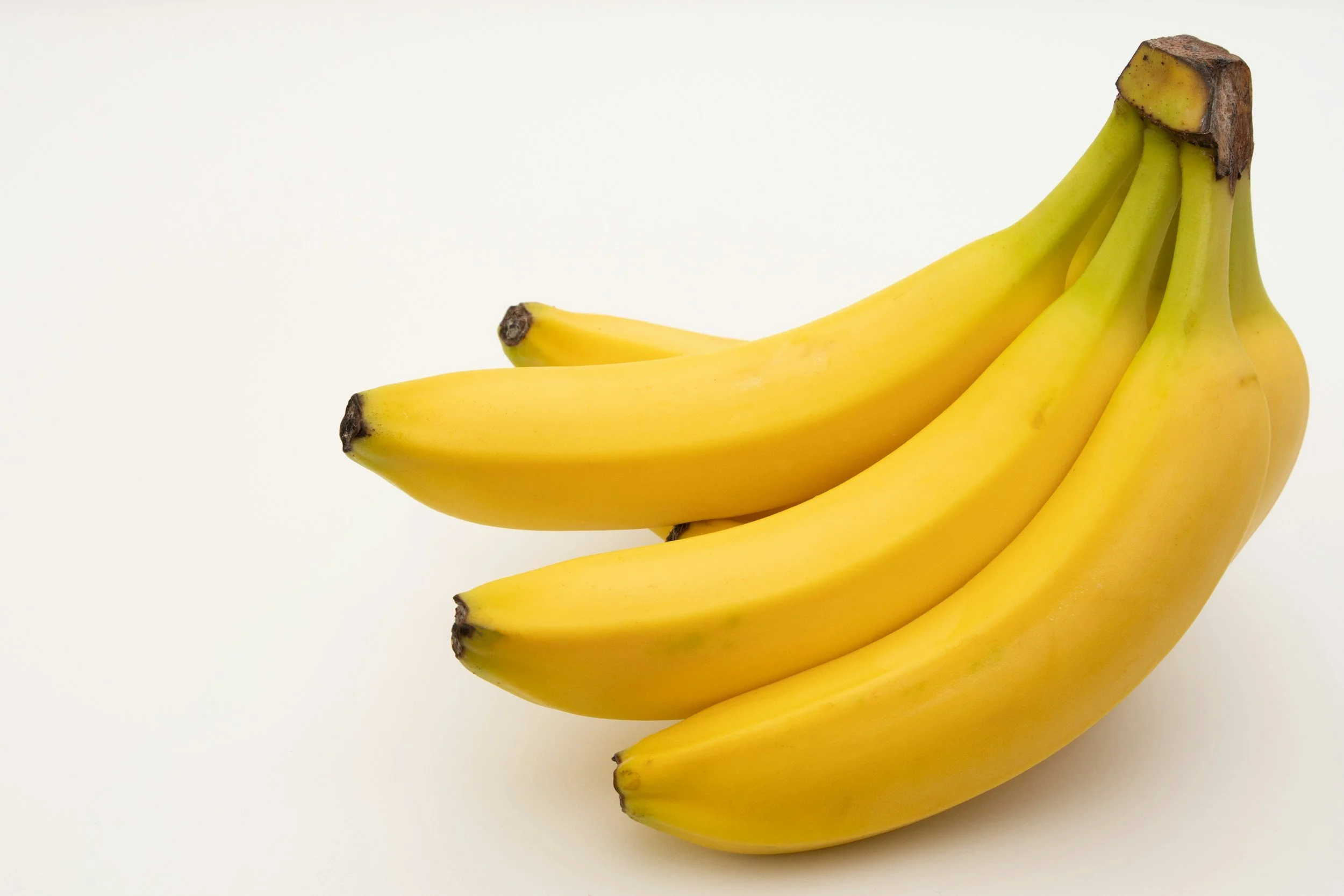
Consuming carbohydrates before exercise can help support athletic performance. Carbohydrates provide glucose for the brain and are an important fuel source for working muscles across a range of exercise intensities and durations. Skipping carbohydrates before a workout may contribute to increased feelings of fatigue and decreased performance.
To support your performance, try having a small snack containing about 30 grams of carbohydrates 15–30 minutes before your workout.
Snack Ideas:
One large banana
One slice of toast with 1 tablespoon of jam
¾ cup dry cereal with ½ cup milk of choice
Keep it simple: When you’re eating close to a workout, choose foods that are familiar and easy for you to digest. The goal is to provide your body with readily available fuel without leaving you feeling overly full or uncomfortable during training.
Mistake #2 :Forgetting to Hydrate Before Exercise
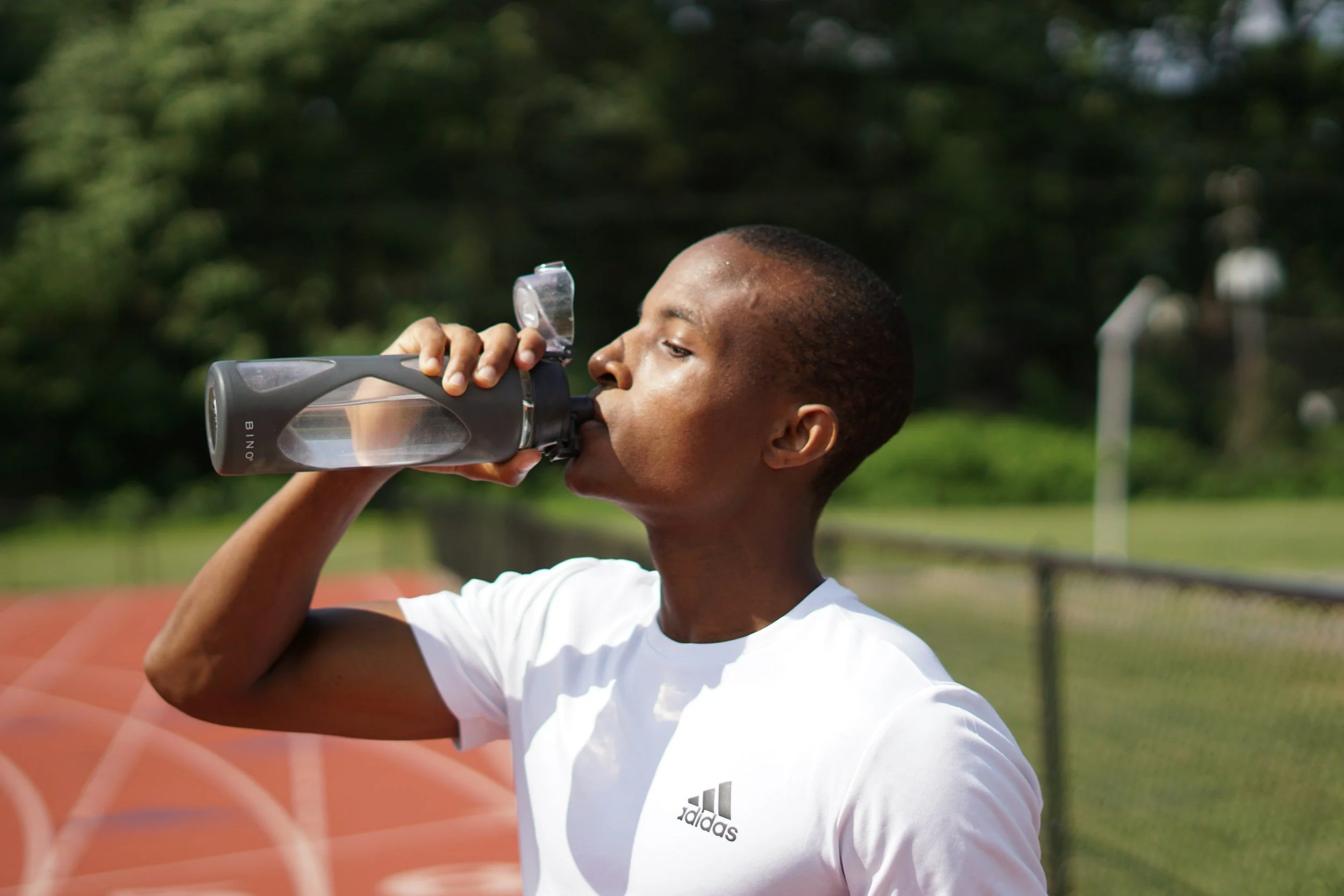
Athletes often focus heavily on what’s on their plate, but hydration is easy to overlook. Starting a workout even mildly dehydrated can negatively impact performance. While athletes should prioritize hydration throughout the day, especially when training in hot and dry environments, it’s also important to strategically hydrate before exercise.
To support your performance, aim for 2–4 mL of fluid per pound of body weight during the 2–4 hours before exercise. For example, a 150-pound athlete would aim for approximately 300–600 mL (10–20 oz) of fluid before a workout.
If you’re training in a hot environment or sweating heavily, you may also benefit from including electrolytes. Keep in mind that hydration and electrolyte needs are individualized.
Consider working with a Registered Dietitian Nutritionist (RDN) to determine the right hydration strategy for you and whether electrolyte supplementation is appropriate.
Mistake #3 : Choosing Foods That Are Too High in Fat and Fiber
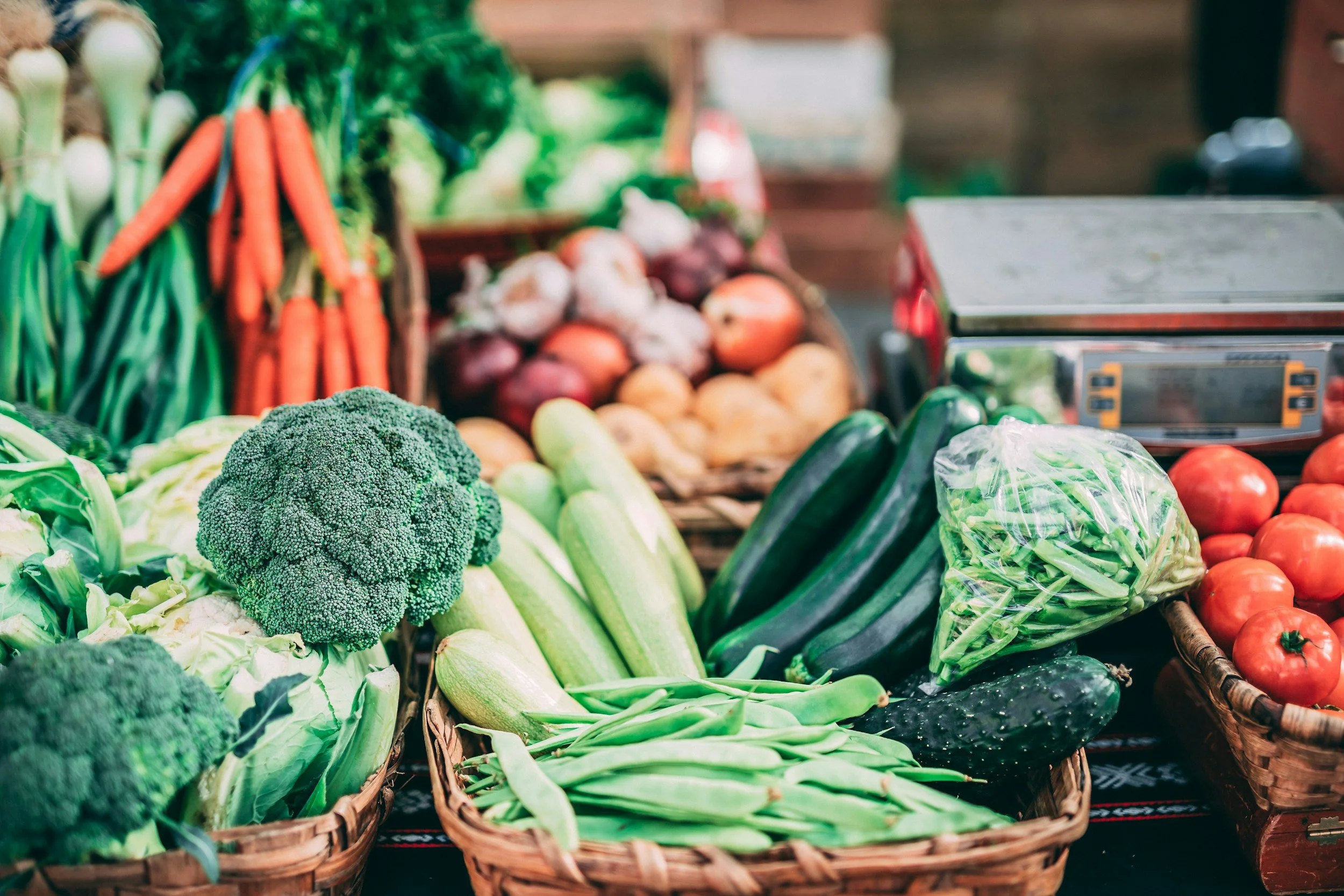
Many athletes try to choose the “healthiest” foods possible at all times. But here’s some good news: pre-training snacks should be simple and easy to digest.
When you’re eating close to a workout, foods that are lower in fat and fiber and contain easily digested carbohydrates can help provide fuel without leaving your stomach feeling overly full or uncomfortable.
During my time working with professional sports teams, we regularly had simple snacks on hand like fruit leathers, pretzels, Goldfish, and other sports foods designed to provide quick, easy-to-digest carbohydrates. While these foods may not always fit the traditional definition of “healthy,” they can be a great choice when your goal is to fuel your workout.
Eating meals or snacks that are high in fat or fiber too close to exercise can slow digestion and increase the risk of GI distress. And the last thing you want is for your pre-workout snack to have you running away from your goals and straight to the bathroom!
Once you’re about 2 hours away from your workout, start choosing foods that are lower in fat and fiber and easier for you to digest. Keep in mind that everyone has a different tolerance for these nutrients. Experiment with different foods and timing during training—not competition—to learn what works best for your stomach.